2026 Trends in Music for Business and In-Store Audio
If you run a retail store, restaurant, hotel, or any physical space where customers walk through the door, 2026 is shaping up to be a turning point.
Music for business is no longer just about filling silence. In-store audio is becoming media. It is becoming measurable. And it is becoming one of the most effective ways brands influence decisions at the moment they matter most.
Recent industry research from Coresight Research points to a clear direction. Retail media is moving beyond ecommerce and into physical spaces. Audio is part of that shift, especially because it scales, it is cost-efficient, and it reaches customers without requiring screens.
This post breaks down the biggest 2026 trends and translates them into what they actually mean for business owners. No jargon. Just the practical implications for music, messaging, and customer experience.
Trend 1: In-store media becomes a retail media growth engine
Retail media has traditionally lived online. Sponsored placements, onsite search, and digital ads have dominated. That is changing fast.
In-store media is becoming one of the next major growth frontiers because it sits closest to the point of purchase. Customers are already in the environment. They are browsing, waiting, deciding, and buying.
For business owners, this is a mindset shift. Audio is no longer just atmosphere. It is part of a media strategy that can support promotions, loyalty, and brand partnerships.
If you want to see how this plays out in real environments, start here: music for business and in-store solutions for retail.
Trend 2: Audio moves from background noise to a brand signal
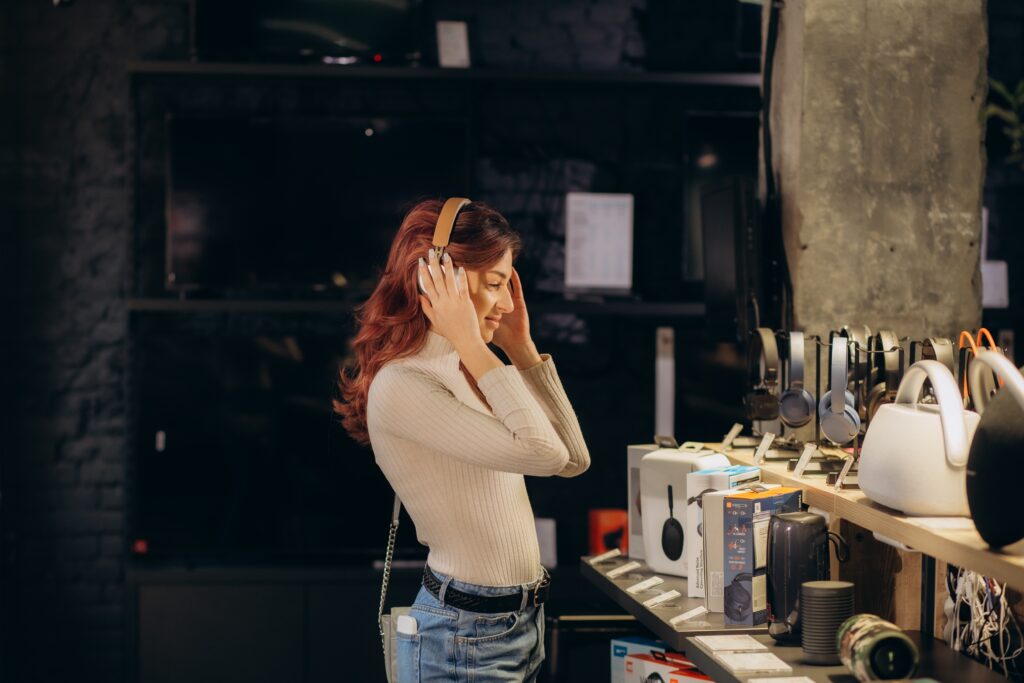
Music has always shaped mood. In 2026, more businesses are treating audio as a brand signal. It sets the tone, controls pacing, and influences how customers feel in the space.
At the same time, voice messaging is evolving. The winning approach is not louder announcements. It is messaging that feels like it belongs. That means it should blend smoothly into your existing music, not interrupt it.
If you want the fundamentals on why music impacts customer behavior, this is a strong baseline: the importance of music in retail.
Trend 3: AI becomes the engine behind in-store audio
AI is showing up everywhere in retail media, and in-store audio is no exception. The big unlock is not novelty. It is control.
AI makes it easier to create professional messaging, test variations, and adjust campaigns without long production cycles. It also helps teams stay consistent across locations.
For modern businesses, this means in-store messaging can finally move at the same pace as promotions, seasonal shifts, and supplier campaigns.
To see what this looks like in practice, explore AI audio messaging and scheduling features.
Trend 4: Measurement and proof of play become non-negotiable
Retail media is growing because it promises accountability. That expectation is moving into physical environments.
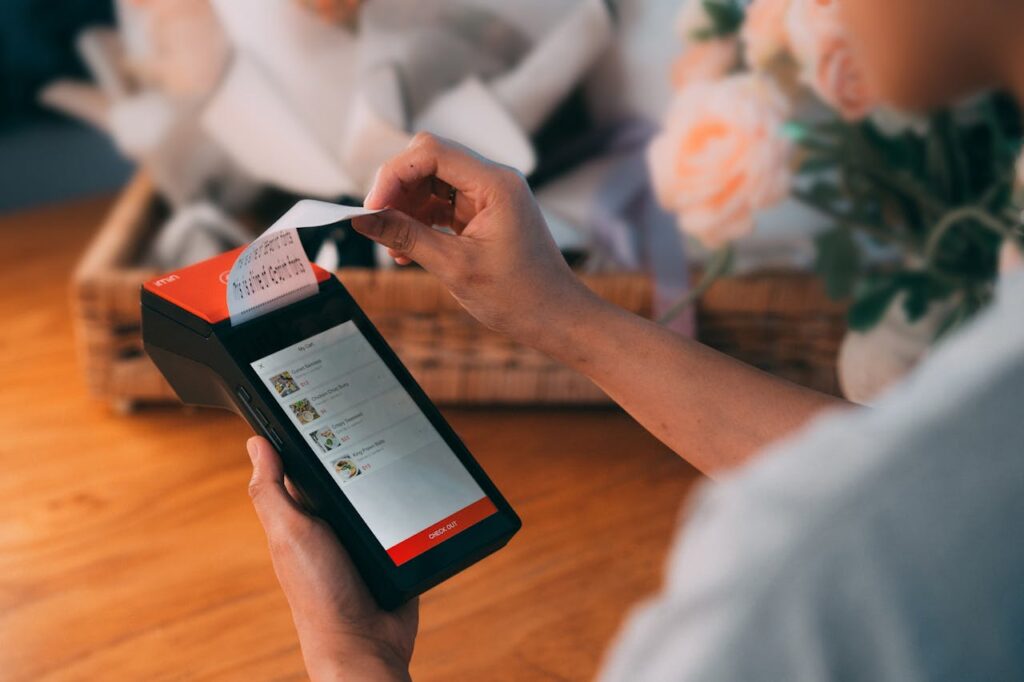
In 2026, more brands and operators will expect visibility into what played, where it played, and when it played. The real shift is tying messaging to outcomes. Loyalty signups. Promo lift. Campaign performance across regions.
When audio is measurable, it stops being a cost center. It starts behaving like a performance channel.
If you want to understand what is available and how teams typically package this, you can review platform plans and pricing.
Trend 5: First-party data drives smarter in-store experiences
As privacy rules tighten and third-party cookies fade, first-party data becomes the foundation of retail media.
Physical businesses have an advantage here. Loyalty programs, purchase behavior, location data, and store-level patterns can inform better timing and better relevance. Not creepy personalization. Just smarter scheduling and smarter offers.
This is where in-store audio becomes a real lever. You can align messaging to store context, campaign goals, and customer behavior in a way that is both practical and measurable.
Trend 6: In-store audio becomes full-funnel
One of the biggest shifts heading into 2026 is that in-store audio is no longer only about conversion moments.
It supports discovery and brand building, too. Music sets the emotional foundation. Messaging provides guidance and nudges action. Together, they shape how customers feel, move, and decide.
The businesses that win will treat in-store audio as part of their marketing strategy, not a separate operational detail.
What this means for business owners in 2026
The takeaway is simple. Music for business is evolving. In-store audio is becoming media. And the line between experience and marketing is disappearing.
In 2026, the most effective physical spaces will:
- Use music intentionally, not generically
- Communicate through audio without disrupting the environment
- Measure what plays and what performs
- Adapt messaging as fast as promotions change
This is not about making more noise. It is about making better sound.
Where to go next
If you want to dig deeper by industry, here are a few good starting points:
If you want to see how modern in-store messaging works, including scheduling and campaign controls, visit our messaging solutions page.
Sources and further reading
Industry trends and themes referenced from Coresight Research’s 2026 retail media analysis, including the shift toward in-store media, AI-driven workflows, measurement expectations, and first-party data strategies.