Hotels are not single-purpose environments. A lobby, a restaurant, a gym, and a spa each serve a different role in the guest journey, often within the same building. Yet many hotels still rely on a one-size-fits-all playlist, assuming that background music should simply blend in everywhere.
In reality, the most effective music played in hotels is designed by space. Selecting the best background music helps create a welcoming atmosphere, sets the sense and power of the hotel’s environment, and influences guest emotions and behaviors. When music is selected with intention, it shapes first impressions, reinforces brand identity, supports guest flow, and helps create a perfect customer experience that encourages repeat visits. When it is treated as an afterthought, it becomes noticeable for the wrong reasons.
Creating an elegant, elevated atmosphere does not require an overly complex or exclusive approach. What guests perceive as “luxury” sound is usually the result of thoughtful curation, clean edits, and consistency across different areas, not novelty or excess.
Many hotels use professional music providers to curate the perfect playlist that reflects their brand identity and enhances the guest experience. Curated music communicates the hotel’s personality faster than visual design alone.
Hotels must play music legally by obtaining a music license, as playing copyrighted music without proper licensing can result in copyright infringement and substantial fines, potentially up to $150,000 per song played. Hotels must ensure the music played supports the rights of writers and performers by obtaining the appropriate licenses.
In this guide, we break down what music works best in hotels by space, including lobbies, restaurants and bars, gyms, and spas, and explain how leading hotel brands use purpose-built music programs to create the right atmosphere across multiple zones.
The core framework: match music to guest job-to-be-done (and brand)
Every space in a hotel has a job to do. Music should support that job, not compete with it. Selecting the right music and keeping music consistent with the brand’s style across all spaces is essential for creating a cohesive and memorable guest experience.
At Custom Channels, we design hotel background music using a framework that balances guest behavior, brand identity, and operational reality. This is how effective music strategy works in real hotels, across public areas and guest-facing spaces.
Creating the perfect custom playlist and music sets for each area and time of day helps reinforce brand identity and enhance the guest experience. Different playlists can be created for lobbies, restaurants, bars, and spas to create distinct moods in each area, and modern playlists often shift energy based on the time of day and target demographic to match the changing atmosphere and energy levels throughout the hotel.
The key variables that matter
Across all hotel environments, background music for hotels should be evaluated using five core variables:
- Genre and energy – Should the space feel calm, neutral, or energized?
- Tempo (BPM) – Faster tempos encourage movement, slower tempos encourage dwell time.
- Volume – Music should support conversation and awareness.
- Lyrics – Content, tone, and density matter more than popularity.
- Familiarity – Music can feel welcoming without being recognizable. However, playing the same songs too often can become annoying to guests, so it’s important to keep your music fresh by rotating the selection regularly. This ensures a diverse and engaging playlist that enhances the guest experience and maintains a lively ambiance.
These variables shift throughout the day. Morning guests behave differently than evening guests. This is why dayparting is essential in any serious hotel music program.
Brand guardrails matter more in hotels
For hotels, the same brand guidelines used across the business should apply to music. If the brand is polished, welcoming, and appropriate for all ages, the music must reflect that consistently.
That means keeping it tight and keeping it clean.
Custom Channels is a clean music brand by design. There is not a single explicit song in our system. There is no switch to flip and no risk of something slipping through. Everything is curated for a professional business environment.
This matters because popular does not equal appropriate.
Even radio edits can include lyrics or themes that feel out of place in hotel lobbies, restaurants, or spas. We go further with custom clean edits, ensuring music supports the guest experience instead of undermining it.
Energy discipline is critical
High-BPM, high-energy styles have their place, but that place is usually limited to gym and fitness areas.
In most hotel public areas, overly energetic music can feel jarring or mismatched. Nothing is inherently off-limits stylistically, but music must align with the brand and what guests expect when they book your hotel, especially in a boutique hotel or themed property.
A simple checklist for every space
Before selecting music, ask:
- What is the guest here to do?
- How long do they stay?
- Should this space feel calming or energizing?
- Will guests be talking or relaxing?
- Does this reinforce our brand identity?
- Does the selected music resonate with our clientele?
Selecting music that matches your clientele is crucial to consider who your guests are before you select music for your hotel.
If the answer is not clear, the music is not right.
Lobby Music: First Impressions, Flow, and Dwell Time
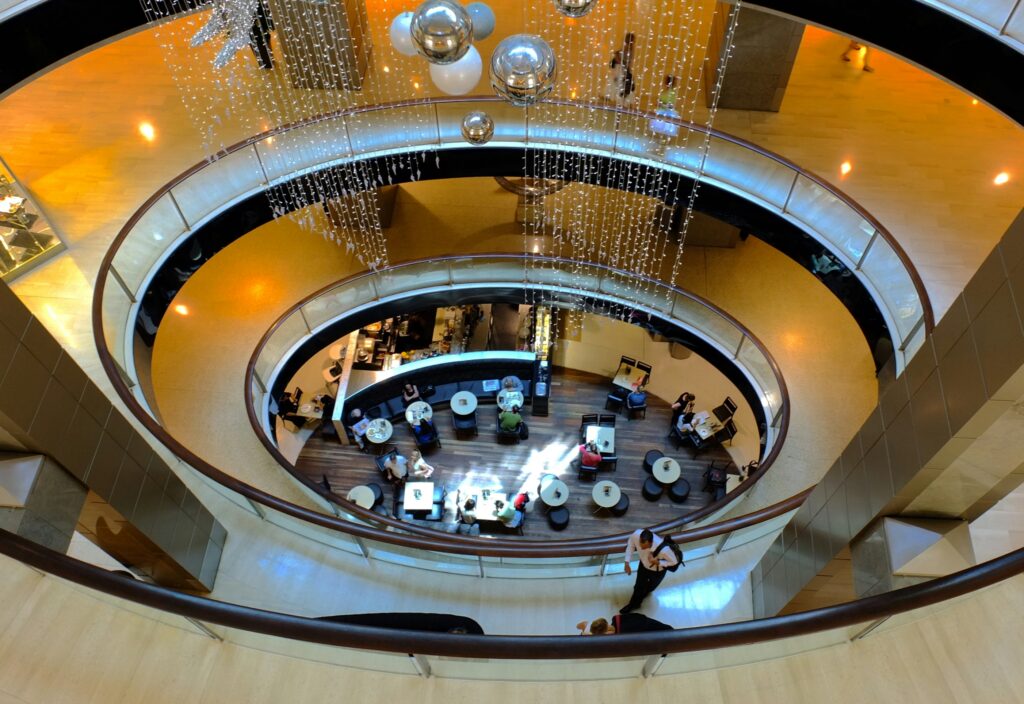
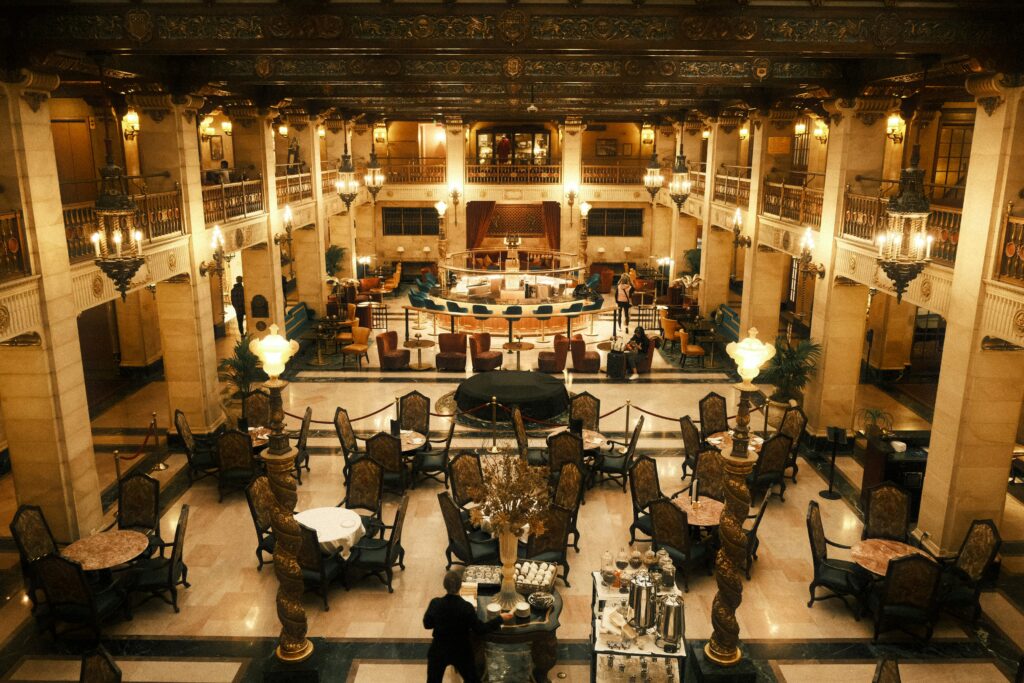
The lobby sets the tone for the entire stay. The moment guests enter, soothing music and classical music can help create the perfect mood and a welcoming atmosphere. The lobby is a critical area where music fills the space, setting the tone and lowering perceived wait times during check-in by reducing stress. It is where first impressions are formed and where guests transition between different areas of the hotel.
Desired mood
Lobby music should feel:
- Welcoming
- Polished
- Calm but not sleepy
- Perfect atmosphere
Calming music helps guests transition from travel fatigue to relaxation.
Music should reduce friction, not draw attention to itself.
What guests want lobbies to sound like
Across guest feedback and broader online discussion, preferences consistently lean toward calm, sophisticated hotel background music. Soothing music is especially preferred in hotel lobbies, as silence is not an option; background music helps cover the distortion of voices in busy environments and provides calming sounds for guests. Soft jazz, piano, lounge, chill electronic, and instrumental-forward playlists are often described as premium and relaxing.
Where hotels miss the mark is not by being subtle, but by being generic. Repetitive playlists, excessive volume, or mismatched energy quickly become noticeable in the wrong way.
Guests do not want bland music. They want music that makes the space feel alive without getting in the way.
Dayparting guidance with purpose-built styles
Effective lobby music evolves subtly throughout the day while staying within a consistent sound identity. It is important to keep music consistent with the brand identity across all areas and times, reinforcing a cohesive auditory experience for guests.
Adjust your playlists to meet the needs of guests throughout the day, syncing music choices to the circadian rhythm.
Morning: Light uplift without urgency
Guests are checking out, arriving, or grabbing coffee. Music should feel optimistic and clear, creating a seamless atmosphere that energizes guests during morning routines, including the check-out process.
Well-suited styles include:
- Lite Pop & Soft Rock
- Bright Mix
- Chill Indie Vibes
- Piano Instrumentals
- Jazzy Vibes
Afternoon: Neutral, polished, and steady
This is about flow. Music should fade into the background while maintaining the right tone. The right music creates a sense of flow and comfort in the afternoon, enhancing the atmosphere for guests.
Well-suited styles include:
- Chill Pop
- Electro Lounge Instrumentals
- LoFi Instrumentals
- Smooth Jazz Instrumentals
- Eclectic
Evening: Warm, relaxed, and refined
As the pace slows, music should soften without becoming sleepy.
Well-suited styles include:
- Smooth Jazz
- Jazz Instrumentals
- Chill House
- Indie Electro
- Piano Instrumentals
The best hotel lobby music evolves throughout the day, but always sounds like it belongs to the same brand.
Restaurant & Bar: Pace the Meal, Protect Conversation, Drive Behavior
A hotel restaurant serves multiple roles throughout the day, and the hotel bar is a key space where music plays a crucial role in creating an inviting atmosphere. The right soundtrack, carefully curated to match the hotel’s concept and style, and how you play music in the restaurant and bar can directly influence guest behavior and spending.
Slow music encourages guests to linger longer and spend more on food and beverages, while faster music can promote quicker turnover.
Different use cases
- Breakfast: Clean, light, unobtrusive
- Lunch: Slightly more energy, still conversational
- Dinner: Warmer tones, slower pacing
- Bar: Higher energy aligned with the dining concept
Tempo and behavior
Tempo can influence whether guests linger or move on, but it should never feel manipulative. The way you play music (choosing the right tempo and style) can subtly encourage guests to stay longer or move along, depending on your goals. Music should support the desired pace naturally.
Volume best practices
Protect conversation first. Guest fatigue happens quickly when music competes with voices, especially in a hotel restaurant.
SME insight:
The best hotel restaurant music aligns with the dining concept and the brand, not what happens to be popular. When music supports pacing and conversation, it becomes part of the experience instead of a distraction.
For deeper guidance, explore our music strategies for restaurants.
Gym & Fitness Areas: BPM, Motivation, and Momentum
Fitness areas are the exception to many hotel music rules. Curated music sets in fitness centers are specifically chosen to create a lively and energetic atmosphere, motivating guests during their workouts.
BPM by activity
- Warm-up: Moderate tempo
- Peak workout: Higher BPM
- Cool-down: Gradual decrease
Programming flow
Clean edits, consistent loudness, and intentional sequencing matter.
Operational considerations
- Prevent sound bleed into guest rooms
- Maintain consistent energy
- Use non-explicit edits only
High-energy music works here because guests expect it here.
Spa & Wellness: Signal Calm and Support Relaxation
Spa and wellness environments require restraint. A carefully curated soundtrack is essential in these settings, as it helps create a calming and rejuvenating atmosphere that aligns with the spa’s concept and enhances the overall guest experience.
Hotels commonly play genres such as jazz, lounge, classical, ambient, soft pop, instrumental, and nature sounds to enhance the guest experience.
What works
- Slow tempos
- Minimal or no lyrics
- Gentle dynamics
Match music to treatments
Different wellness zones require different soundtracks.
Masking ambient noise
Music should mask ambient noise without becoming noticeable.
Avoid recognizability
Familiar tracks pull guests out of relaxation. Spa music should feel timeless.
Learn more about music for spas.
How to Operationalize Hotel Music Across Spaces
Great music selection fails without great execution. Hotels must obtain a music licence and use professional, commercially licensed music services for public performance in lobbies or common areas. Relying on personal streaming services like Spotify or Apple Music is not permitted, as these streaming services are not intended for commercial use and do not provide the necessary licenses for hotels to play music. To play music in a public setting, hotels need to obtain a Public Performance License (PPL) from performing rights organisations (PROs). The cost of a music license for hotels typically ranges from a few hundred dollars to a few thousand dollars per year, depending on the size of the hotel and the number of speakers.
In addition to music, digital signage is an innovative tool that hotels use to enhance the atmosphere and guest experience by displaying targeted content, advertisements, and synchronized media throughout the property.
Multiple zones, one strategy
Large hotels often operate 20 to 30 zones per property. Across Omni Hotels & Resorts, Custom Channels curates music for more than 500 zones across 45 properties, spanning lobbies, spas, restaurants, rooftops, and fitness areas.
Scheduling and seasonality
Dayparting and seasonal changes matter. For holidays, gradual rollouts, such as 25 percent, 50 percent, 75 percent, then 100 percent, help avoid guest fatigue.
Measure success by space
- Lobbies: Flow and comfort
- Restaurants: Pacing and dwell time
- Gyms: Motivation
- Spas: Calm
Why commercial-grade solutions matter
Hotels need licensing, reliability, zone control, and support. Consumer tools are not built for this level of complexity.
Learn more in our business music service guide.
Build a Smarter Hotel Music Strategy with Custom Channels
The most effective hotel music programs are designed, not accidental.
Start with one space. Fix what is not working. Then scale.
Custom Channels works with boutique hotels and enterprise brands alike, including Omni, W, Hilton brands, The Joule, and Sotherly Hotels, to deliver curated, brand-safe, multi-zone music programs that elevate the guest experience without increasing staff workload.
Talk to Custom Channels to design music that works, every space, every time.
You do not need a boutique specialist to do what some brands are doing. We can give you luxury and non-luxury prices.
Written by Mark Willett, Head of Partnerships, Custom Channels
Reviewed by Josh Torrison, Head of Marketing, Custom Channels
Josh Torrison has spent nearly a decade at Custom Channels helping national brands manage music compliance, curate on-brand sound, and resolve licensing questions across retail, hospitality, and restaurant environments.