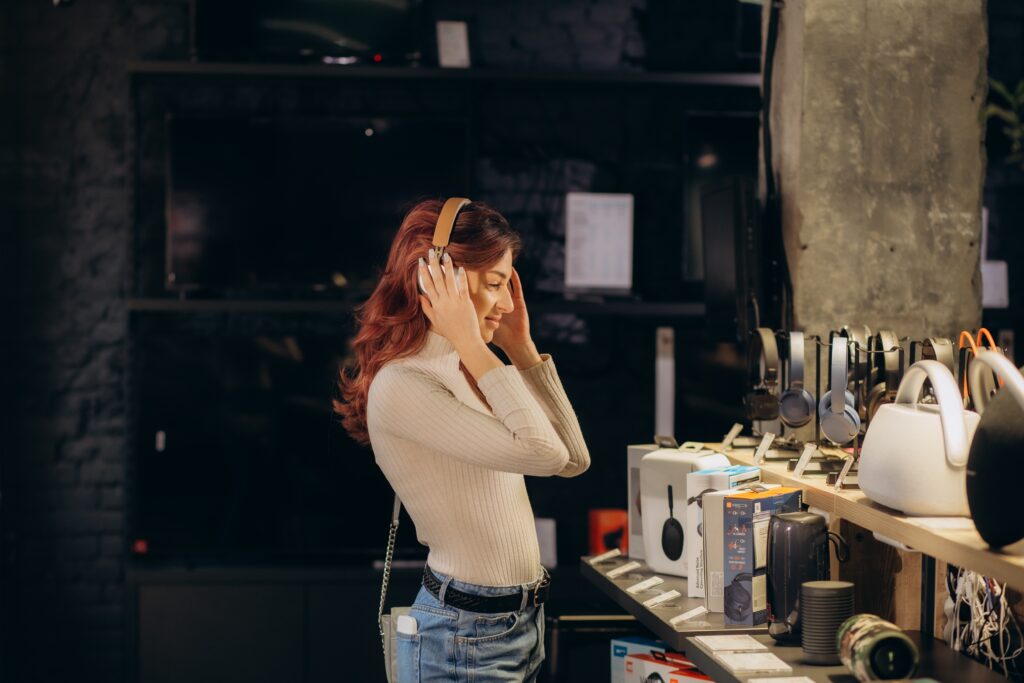
Before a guest checks in or speaks to staff, the hotel’s music has already started shaping the experience. It works alongside lighting, scent, architecture, and design to define how the space feels from the moment someone walks in. Music, lighting, and décor combine to create the overall ambience, setting the mood and leaving a lasting impression on guests. Within seconds of arrival, music begins influencing mood, comfort, and perceived quality, often before a guest reaches the front desk.
Hotels operate on a very different scale than restaurants or retail spaces. A single property can span acres, with many areas designed for distinct guest experiences. From lobbies and reception areas to bars and lounges, spas, fitness centers, pools, and hallways, each space requires a thoughtful approach to music. The real challenge is keeping background music consistent, appropriate, and clearly on-brand across all of these spaces, throughout the day, and across multiple locations. Tailored playlists are essential, and developing a curated collection of music that reflects the hotel’s brand and mood is key. It’s also important to tailor music to different areas and times to set the right tone and enhance the guest experience.
This guide is meant to help hotel owners, operators, and brand teams think about hotel background music more strategically. It breaks down what guests actually notice, how music affects both guest experience and day-to-day operations, and how music programs can be designed to scale as properties grow. Creating different playlists for different areas within the hotel enhances the atmosphere of each space. A well-defined music strategy requires a clear understanding of the hotel’s brand personality and target demographic. For teams ready to turn strategy into action, professional music for hotels can simplify even the most complex, multi-zone environments.
Your Brand Is Heard Before It Is Seen
The arrival moment sets the tone for the entire stay.
Before guests check in or interact with staff, they are already forming impressions based on the atmosphere. Setting the right tone with music is crucial for creating a welcoming environment and establishing the desired ambience. Music plays a critical role in that first moment, signaling whether a space feels calm or overwhelming, modern or dated, refined or forgettable.
When music feels intentional, guests naturally relax and move through the space with ease. When it’s too loud, poorly matched, or inconsistent, it creates friction right away. Music should act as an extension of brand standards, not just something playing in the background.
An on-brand music strategy ensures every space contributes to a cohesive emotional experience across the property and reinforces brand consistency from the moment guests walk through the door.
In fact, 90% of hotel managers believe the right music can create a more welcoming environment for guests.
What Guests Really Notice About Hotel Music (and What They Don’t)
Guests rarely comment on individual songs, but they consistently react to a few underlying elements. The mood and comfort of a space are strongly influenced by the type of music played. Uplifting music, in particular, can energize and inspire guests throughout the day, enhancing their overall experience from morning to evening.
In fact, guests in hotels with carefully curated music reported 18% higher satisfaction rates. Additionally, 75% of hotel guests say that music in common areas enhances their overall stay experience.
Volume
Music should support conversation and movement. Excessive volume in lobbies or reception areas is one of the fastest ways to create discomfort, while music that is too quiet can make large spaces feel empty or uninviting.
Genre Fit
Music must match the purpose of the space. Hotels use unique music and various genres like ambient, jazz, bossa nova, and chill-out to create distinct vibes tailored to specific areas. Jazz (Smooth/Mellow) is ideal for lobbies and bars due to its elegance and sophistication, with smooth jazz being especially favored for sophisticated and timeless environments. Soft jazz, classical, ambient, chill-out, smooth R&B, acoustic, bossa nova, and instrumental/lo-fi tracks create a relaxing hotel atmosphere. Pop, electronic, and upbeat rock are energetic genres ideal for fitness centers to motivate workouts. Jazz in bars and lounges, culturally inspired music in a sushi restaurant, instrumental music in a spa environment, or high-energy tracks in a gym all feel intentional when aligned with how guests are meant to use the space.
Freshness
Repetition is one of the most common complaints hotels have about music programs. Custom Channels’ entire music system is designed to keep music as fresh as possible. Playlists are rebuilt daily using deep libraries curated by humans, not algorithms. Special playback rules prevent the same songs from repeating at the same times each day, giving guests and staff variety without sacrificing brand consistency. Many hotels switch to Custom Channels because their previous music felt stale or overly repetitive.
Daypart Alignment
In hotels, strict dayparting is often less critical than in restaurants. Guests move through different areas throughout the day, so the priority is ensuring the music in each zone feels right whenever a guest enters it. Adaptive playlists can help achieve this by shifting music throughout the day—starting with gentle tunes at sunrise to create a calm morning atmosphere, then gradually transitioning to more sophisticated genres like jazz or soul in the evening to match the evolving energy and mood of the space. A lobby, spa, or bar should sound appropriate at any hour, with energy matched to the function of the space rather than the clock.
When these elements are aligned, guests feel comfortable even if they cannot articulate why. That consistency builds trust and encourages repeat visits.
Make the Business Case: Brand, Revenue, and Reviews
Music directly influences guest behavior and how hotel spaces are used.
Well-designed music programs encourage guests to linger in bars and lounges, increase on-property spend, and perceive a higher level of quality. Consistent music also leads to fewer front-desk and food-and-beverage complaints related to noise, discomfort, or mismatched atmosphere.
Music affects staff energy and service tone throughout shifts as well. When music is predictable and intentional, operations tend to feel smoother and more professional.
Hospitality research and industry coverage consistently show that music plays a real role in how guests experience a hotel. When the sound feels intentional, guests are more likely to feel comfortable, stay longer in shared spaces, and walk away with a stronger overall impression, which often shows up in reviews and guest feedback.
Design an On-Brand Music Strategy by Zone (and Daypart)
Hotels require multiple music zones. This is not optional.
Each zone serves a different emotional and functional role, and music should be designed intentionally for that space first. In hotels, zone strategy matters far more than rigid dayparting because guests are not cycling through the same spaces all day.
Lobby and Reception Areas
Music should feel welcoming and adaptable, played at a volume that supports conversation and reduces arrival friction.
Food and Beverage Spaces
Bars and lounges benefit from music aligned to service pace. Jazz or culturally inspired music helps define identity and supports longer stays.
Spa and Wellness Areas
Music should support relaxation and sensory calm. Instrumental music and slower tempos reinforce a luxury ambiance.
Fitness Centers and Pools
Upbeat, high-energy music is appropriate for gyms and select pool environments, provided volume remains controlled and brand-safe.
Some areas intentionally do not need music at all. Deciding where not to play music is just as important as deciding where to play it.
Managing this complexity requires visibility and control. Hotels need to see what is playing, where it is playing, and make updates across one zone or 30 zones. This is essential for managing music across hotel zones and maintaining centralized music management across a property.
Operational Guardrails That Keep Music On-Brand
Strong hotel music programs begin with guardrails.
Brand sound pillars define what fits and what does not, including approved genres, tempos, eras, and explicit content rules. These guardrails support brand consistency across different areas and multiple locations.
Content quality is equally important. In professional hotel environments, music cannot include unexpected talking, live crowd noise, long intros, or explicit lyrics. Custom Channels is built specifically for music for business, meaning every track has been listened to and approved by a human. Whether managing one zone or many, operators can trust that all music is clean, appropriate, and designed for guest-facing spaces.
Compliance and Licensing Without the Headaches
Hotels must use commercially licensed music for all public-facing areas. Hotels need a music license to play music in public spaces, as it is considered a public performance under copyright law. Without the correct music license, hotels risk fines from performance rights organizations. The cost of a music license for hotels typically ranges from a few hundred dollars to a few thousand dollars per year, depending on the size of the hotel and the number of speakers used. Performance rights organizations (PROs) like ASCAP, BMI, and SESAC represent artists and music creators, ensuring they are paid when their music is played in public on behalf of hotels. Hotels can either secure individual licenses from PROs or use a service that covers all necessary rights for playing background music.
Consumer streaming services are not designed for legal music use in hotels and do not cover commercial environments. Proper commercial music licensing for hotels and licensed music for public spaces ensure legal music use without burdening hotel teams.
Each property requires its own licensing coverage. Large resorts or complexes with multiple addresses may require licensing per address. With Custom Channels, licensing and compliance are handled as part of the service.
For a deeper understanding of how music licensing works in hospitality environments, you can review guidance directly from SESAC’s music licensing overview.
Technology and Implementation From Pilot to Portfolio
Hotel environments demand reliable playback and coordination.
Music systems may include dedicated players, app-based control, or hybrid setups with offline failover. Central dashboards support flexible scheduling, updates, and oversight across different areas and multiple locations.
Piloting tailored music programs before scaling helps hotels validate success metrics tied to guest experience and operations.
Measuring What Matters and Improving Over Time
Music performance does not require complex analysis.
Hotels can track review language, NPS feedback, and operational input to identify music-related sentiment. A/B testing different energy levels in bars and lounges can reveal guest preferences without disrupting brand recognition. Hotel teams can also watch the immediate effect of music changes on guest behavior and atmosphere, allowing them to see how curated music enhances the space in real time.
Seasonal playbooks and quarterly sound reviews help ensure music evolves alongside the brand.
Common Hotel Music Mistakes to Avoid
- Relying on personal or staff-controlled playlists
- Using incorrect volume for different areas
- Applying overly narrow genre rules that limit flexibility
- Failing to establish governance and training standards
Make Your Hotel Brand Audible Everywhere
Music for hotels must be intentional, consistent, and scalable.
The most successful hotels design music so each space feels distinct while remaining unmistakably on-brand. From the hotel lobby experience to bars and lounges, spa environments, and fitness areas, music shapes guest perception at every step.
Explore hotel music solutions and professional music for hotels to turn education into execution.
👉Book a demo to experience intentional hotel music in action.
FAQs
How many different music zones should a hotel manage?
Most hotels require multiple zones based on guest flow and function, including lobbies, food and beverage areas, spas, fitness centers, pools, and other guest areas.
How do hotel brands keep music consistent across multiple properties?
Consistency comes from centralized scheduling, shared standards, and tailored music programs supported by clear brand guidelines.
Do hotels need special music licensing for public spaces?
Yes. Hotels must use commercially licensed music for guest-facing areas. Consumer streaming apps are not designed for public or commercial use.
How often should hotels update or refresh their music?
Regular but lightweight refresh cycles work best. Seasonal or quarterly updates prevent fatigue without disrupting brand recognition.
Can music really impact guest satisfaction and reviews?
Yes. Music influences comfort, perceived quality, and professionalism, contributing to stronger first impressions and repeat visits.
Written by Josh Torrison, Head of Marketing, Custom Channels
Reviewed by Mark Willett, Head of Partnerships, Custom Channels
Bio: Josh Torrison has spent nearly a decade helping national brands design audio systems, manage music licensing, and implement reliable, staff-proof music streaming solutions across dining establishments, coffee shops, and small businesses.