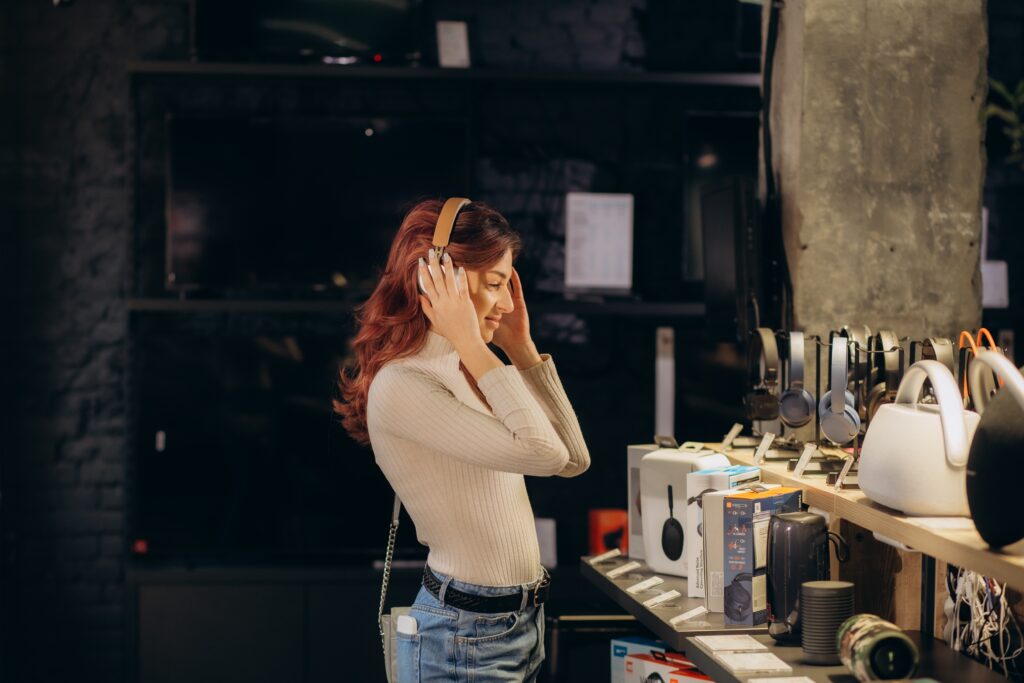
It’s a normal morning at a small business. Someone opens the door, flips on the lights, and sets an iPad on the counter. A familiar playlist starts playing. It feels easy. It feels harmless. It feels like something everyone does. But is music licensing for small business something you’ve ever thought about?
This is exactly how most small businesses end up using personal playlists.
What many owners don’t realize is that personal streaming subscriptions are not licensed for public playback in a business. Even if you pay for the service. Even if the music is just “background.”
The good news is that music licensing for small businesses is far simpler than most owners expect. When it’s handled correctly, it protects your business, reduces stress, and helps your brand sound the way you want it to sound.
TLDR: Personal playlists and small business music licensing
- Music played where customers can hear it is usually considered public performance
- Personal Spotify, Apple Music, and YouTube accounts are not licensed for business use
- Ignoring licensing can lead to letters, follow-ups, and legal headaches
- Most issues come from misunderstanding, not bad intent
- Fully licensed music solutions are the simplest option for small businesses
- A short checklist and clear staff rules prevent most problems
What counts as public performance in a small business
Public performance sounds complicated, but the rule is simple.
If music is played in your business and customers or the public can hear it, it is usually considered public performance.
That includes music played in:
- Retail floors
- Restaurant dining rooms
- Waiting areas and lobbies
- Fitness or studio classes
- Salons and shared spaces
Here’s an easy self-check.
If customers can hear the music, treat it as public performance.
Common edge cases small businesses run into
Some situations create confusion.
- Employee-only areas
Music played in a truly private staff space may be different, but shared or open areas usually still count. - Private events
Even private events held in a business location can require coverage. - TV audio and YouTube videos
TVs playing music videos, DJ mixes, or ambient YouTube content are still playing copyrighted music publicly. - Livestreams and radio
Livestreams and radio stations are generally licensed for personal listening, not commercial environments. - Phone hold music
Music played while customers are on hold is also considered a public performance.
If music can be heard in your business setting, it should be treated as a public performance and licensed accordingly.
Why personal streaming accounts do not cover your business
This is one of the biggest misconceptions in music licensing for small business.
Personal streaming services are licensed for private listening only. They are not licensed for public or commercial playback.
Paying for a subscription does not change that. Buying music does not change that.
The issue is not whether the music is paid for. It is how the music is used.
When music is played in a business, it becomes a public performance under federal copyright law. That triggers public performance license requirements.
Why this happens so often
We hear this from small business owners all the time.
“We got a letter, and we were confused. We just play music off the iPad behind the counter.”
When we look closer, that iPad is usually running a personal Spotify account, and the music is playing throughout the space. The owner had no idea that was considered unlicensed public playback.
Most business owners don’t know there’s a problem until they get a notice. By then, they’re already dealing with emails, licensing agencies, and figuring out how to fix it after the fact.
This is a widespread misunderstanding, not intentional misuse. But the unlicensed music risks are still real.
For a deeper breakdown, see our guide on spotify for business.
The licensing landscape made simple: who needs what
Music licensing sounds complex because there are multiple parties involved.
Performing rights organizations, explained simply
In the U.S., musical works performed publicly are licensed through performing rights organizations, often called PROs.
These organizations represent songwriters and publishers. They collect licensing fees for public performance and distribute them to the copyright holders and rights holders.
A public performance license gives a business legal permission to play copyrighted music in commercial environments.
Why multiple licenses may be required
No single organization represents all music.
That means a business may need multiple PROs coverage requirements depending on:
- The music being played
- How it is delivered
- Where it is heard
This is why licensing obligations for business owners can vary, even between similar businesses.
How licensing needs differ by business type
For example:
- A small retail shop playing background music at low volume
- A fitness studio running instructor-led classes with louder music
Both are performing musical works publicly, but the usage details are different. That can affect the necessary licenses for businesses.
Restaurants, bars, salons, gyms, offices, and retail shops all use music differently. Coverage depends on how music fits into the space.
What can happen if you get it wrong
Most licensing issues don’t start with lawsuits. They usually start with a letter.
The typical progression
- A notice explaining public performance license requirements
- Follow-up communication if nothing changes
- Possible legal escalation if the issue continues
For small businesses, this creates:
- Time drain and stress
- Operational distraction
- Unplanned costs
- Interruptions to music in the space
There’s also a brand impact. Inconsistent music, sudden silence, or ads cutting in weaken brand identity through music selection and affect customer experience.
The important part is this. Most licensing issues are preventable with a simple, proactive plan.
Compliant options for background music
Small businesses generally choose from three compliant approaches.
Option 1: License directly through rights organizations
This can make sense when:
- The setup is very simple
- There is one location
- Someone is willing to manage renewals and paperwork
It requires tracking license agreement documentation, coverage details, and renewal dates. For many owners, that administrative effort outweighs the benefit.
Option 2: Use a business music provider
This is the simplest and most common option for small businesses.
Business music providers bundle:
- Public performance licensing
- Music playback
- Documentation
They typically operate on predictable monthly fee licensing models.
Many small businesses are surprised by the cost. In reality, licensed music for business providers usually cost far less than people expect, and often less than what businesses are quoted when licensing directly.
In many cases, owners spend more on toilet paper or paper towels than they do on fully licensed background music.
You can learn more about this approach in our guide to a music license for business.
Option 3: Licensed royalty-free or production music
This can work well for:
- Very specific brand needs
- Limited music variety
It can feel restrictive for businesses that want recognizable or evolving music, but it can be compliant when properly licensed.
Get compliant fast: a practical checklist
Use this checklist to keep things simple.
- Identify where music plays in your business
- List how music is delivered and which devices or zones are involved
- Choose a compliant solution that fits your setup
- Assign ownership for renewals and documentation
- Set a clear staff policy that prohibits personal accounts on business devices
- Keep licenses, invoices, renewal dates, and vendor contacts easy to access
A simple rule helps prevent most issues.
No personal streaming apps, YouTube videos, radio, or DJ mixes on business sound systems or TVs.
Music licensing for small business FAQs
Can I use Spotify or Apple Music in my business?
No. Personal streaming services are licensed for private listening only and are not approved for business use.
Does employee-only music still count?
If the area is truly private, it may be different. If customers or the public can hear it, treat it as public performance.
Can I play YouTube videos or DJ mixes on TVs in my store?
No. Music embedded in videos, DJ mixes, or livestreams is generally not licensed for public business use.
What is the easiest compliant option?
A fully licensed music solution built for business use is usually the fastest and simplest path.
What proof should I keep?
Keep invoices, license agreements, renewal dates, and provider contact information in one place.
For more answers, visit our music for business faqs.
Get compliant music that supports your brand with Custom Channels
Personal playlists may feel easy, but they expose small businesses to unnecessary risk.
Music should support your brand, not create stress or compliance problems.
Custom Channels provides fully licensed music solutions designed for small businesses. We handle the licensing, provide clear documentation, and help your business sound the way it should.
Request a Custom Channels consultation to set up compliant background music for your location and protect both your business and your customer experience.
Written by: Joe Comer, CEO, Custom Channels